Health Connect Integration Examples
mindLAMP integrates Health Connect data with self-reported mental-health context — mood, anxiety, sleep quality, validated clinical scales like the PHQ-9, HAM-D, ISI, YMRS, EDE-Q and PCL-5 — to surface insights that matter for participant care and research. Each example below shows how a single Health Connect data type, when paired with a mental-health variable, becomes a useful view in the participant-facing Portal.
The visualizations shown here are generated by LAMP-cortex, the open-source Python analytics library that powers mindLAMP's three-tier feature pipeline. Cortex turns raw sensor and Health Connect signals into the primary and secondary features that the Portal renders. Because the Portal supports custom visualization attachments, study teams can configure exactly which Cortex features and which mental-health overlays appear for their participants.
Health Connect data is collected only for participants enrolled in IRB-approved studies whose protocols specifically require the corresponding data type. Participants in studies that don't measure a given signal don't have it collected. Study protocols also determine which visualizations are surfaced to which participants.
Activity
Activity recognition
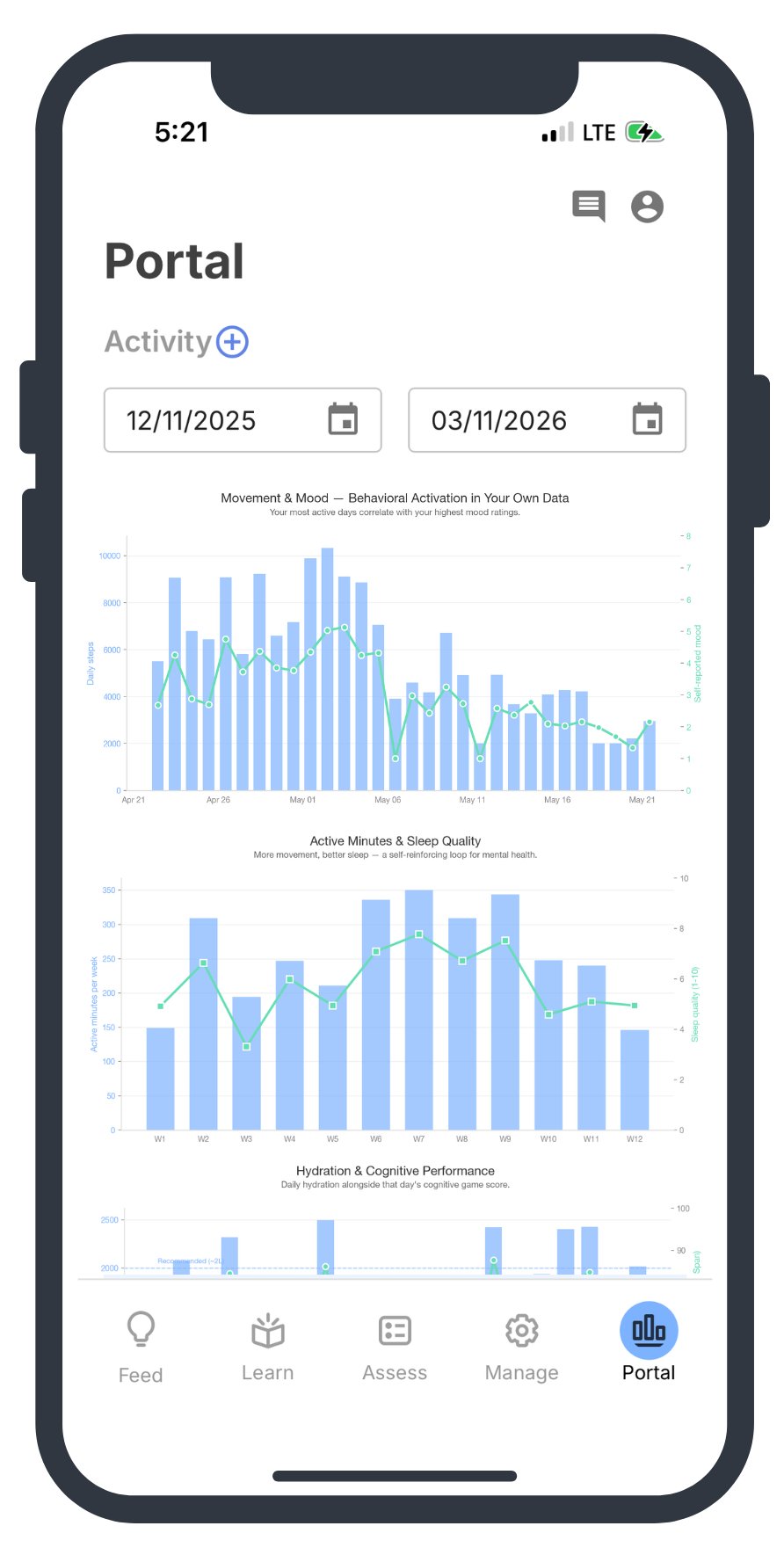
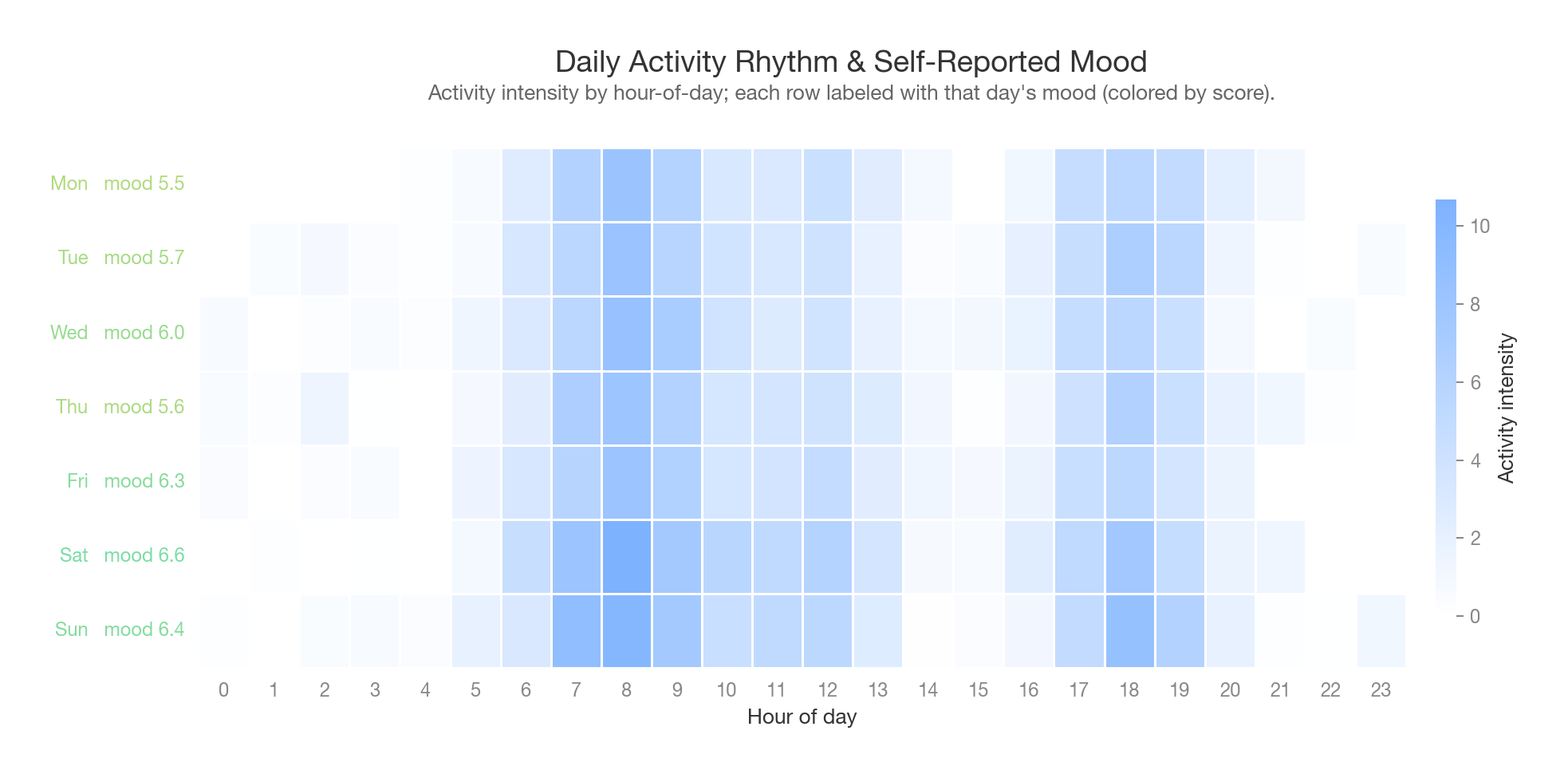
Activity recognition lets the operating system deliver step events, classify movement (walking, running, biking, in-vehicle), and distinguish active from sedentary periods. mindLAMP studies use this context to characterize daily behavioral patterns — reduced activity time, increased sedentary periods, and disrupted activity rhythms are documented behavioral signals of mood episodes and treatment response, and underlie nearly all activity-based measures the platform supports.
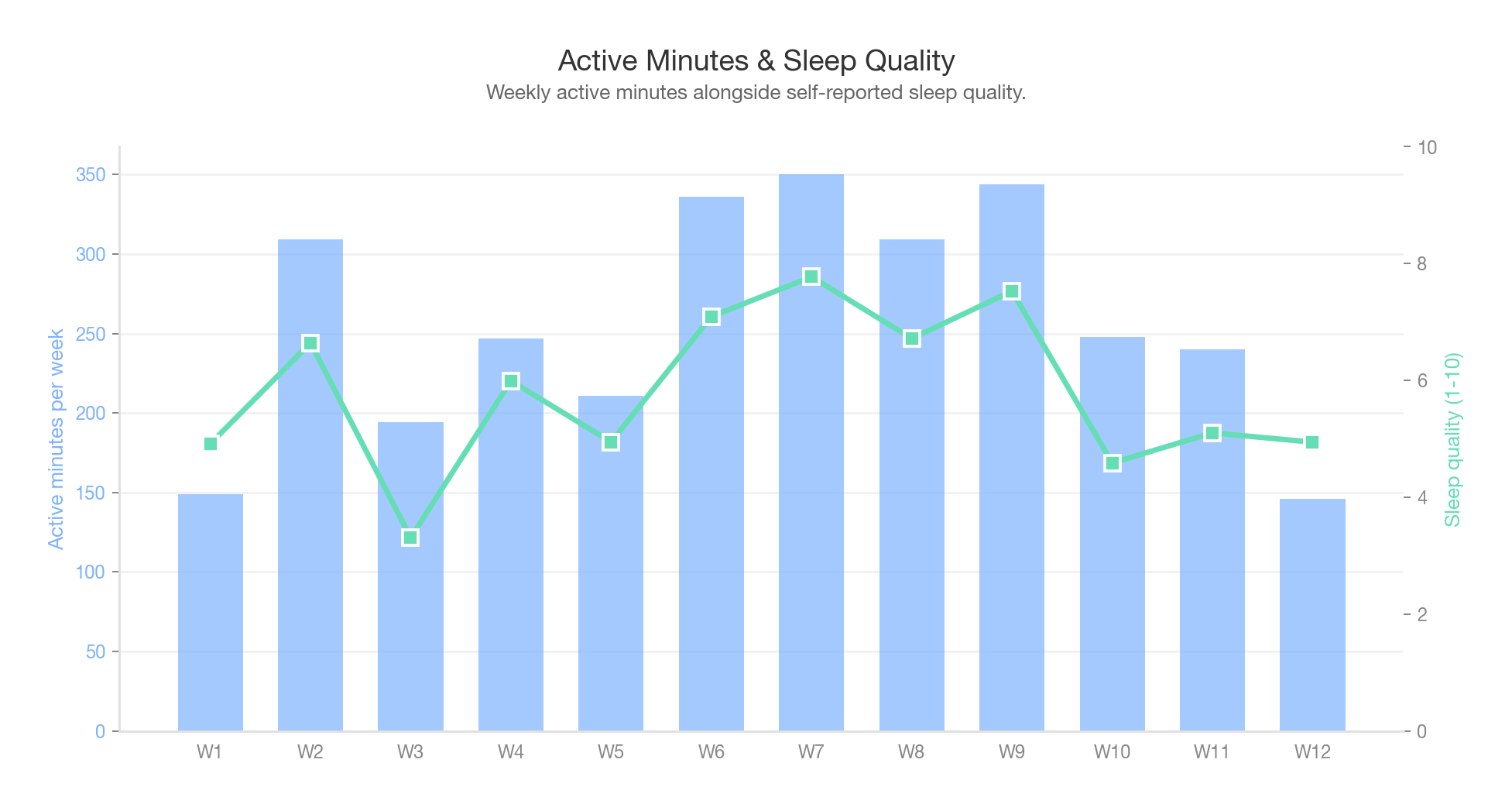
A complementary view pairs weekly active minutes with self-reported sleep quality, illustrating the bidirectional relationship between movement and sleep that underlies many mental-health interventions:
Distance
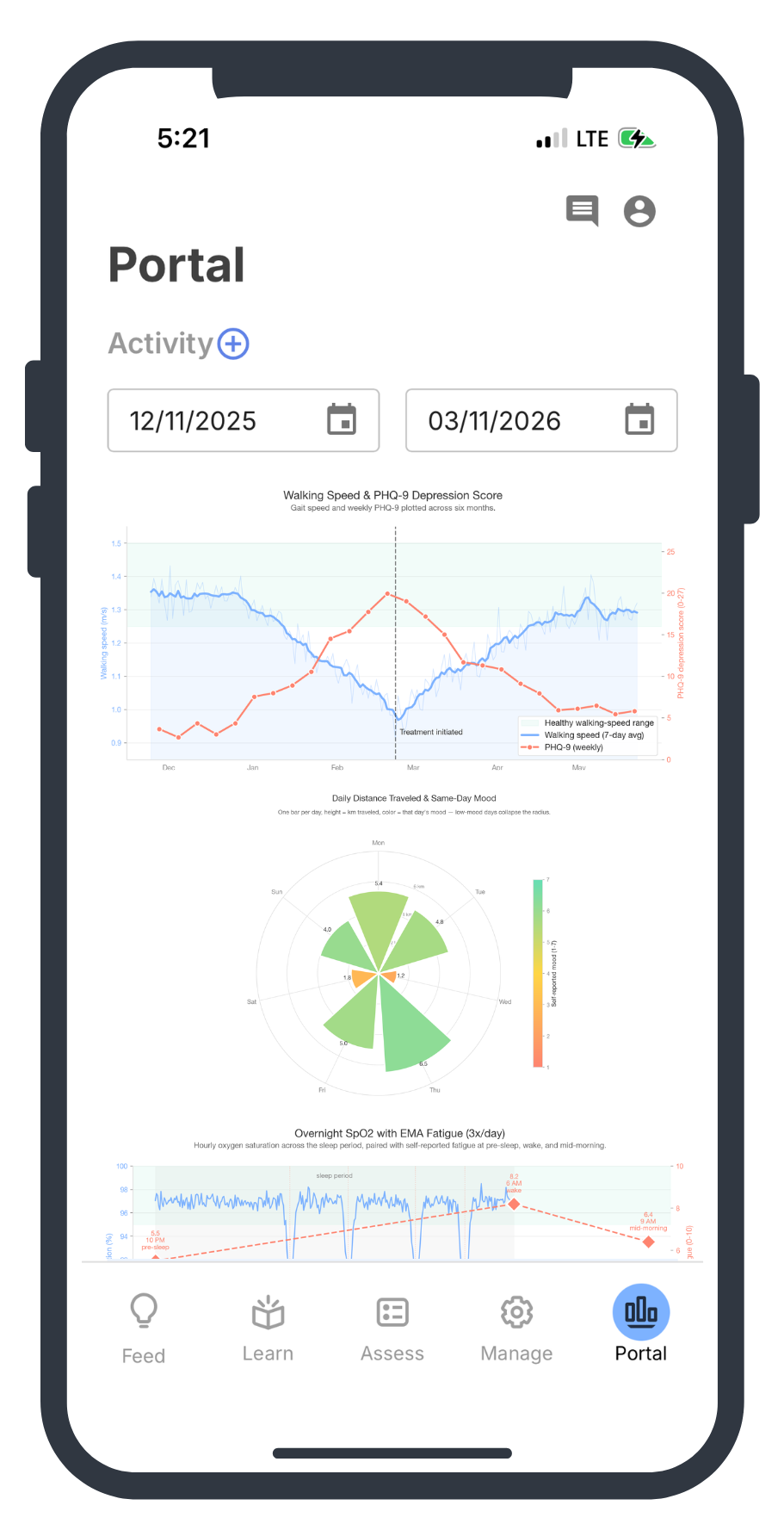
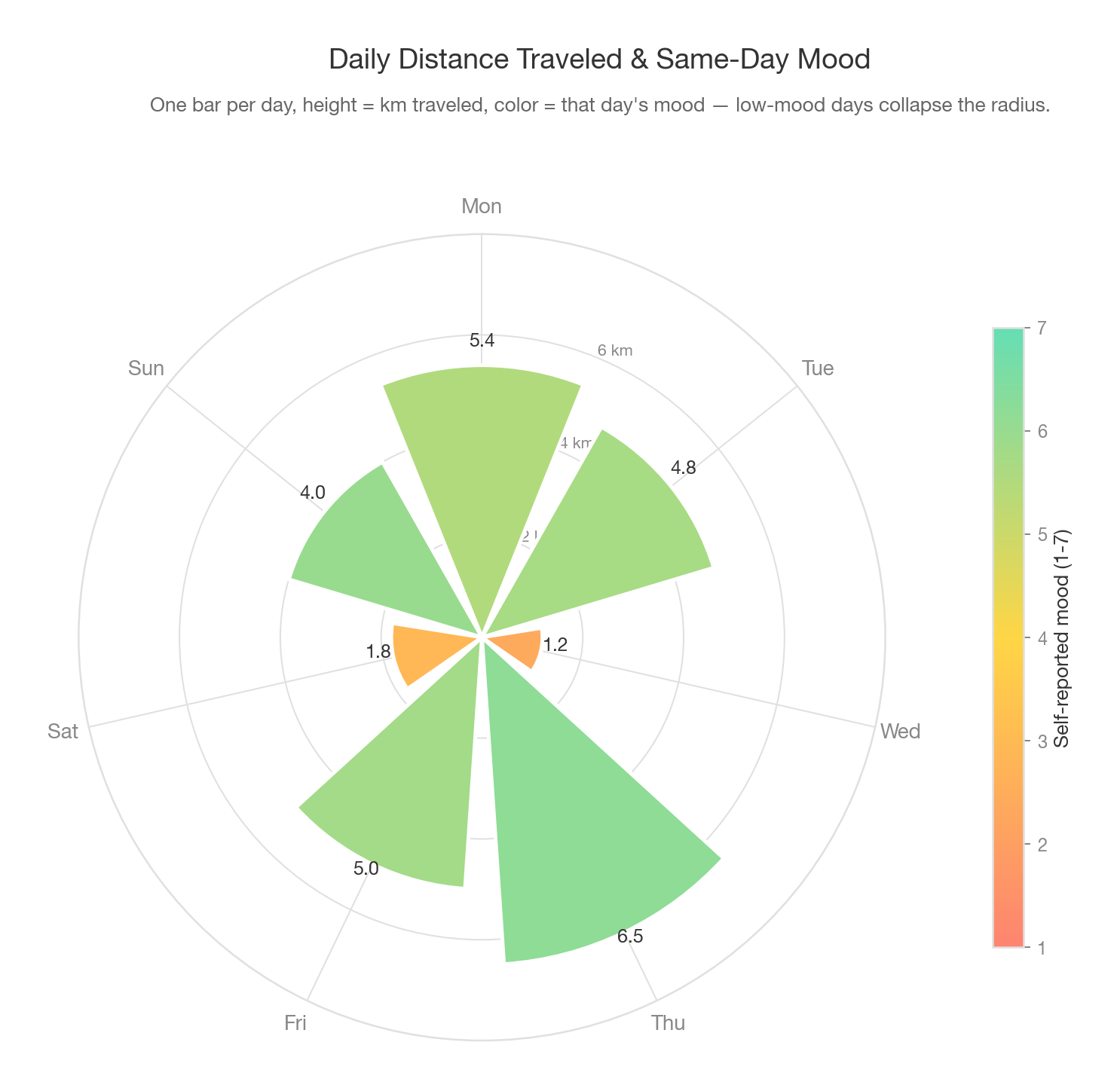
Daily ambulatory distance is used as a proxy for mobility radius. Participants confined to home during depressive episodes show reduced daily distance even when step count within the home remains similar. mindLAMP studies use distance alongside step count as an outcome measure in behavioral activation therapy trials and in research on functional impairment in mood disorders.
Steps
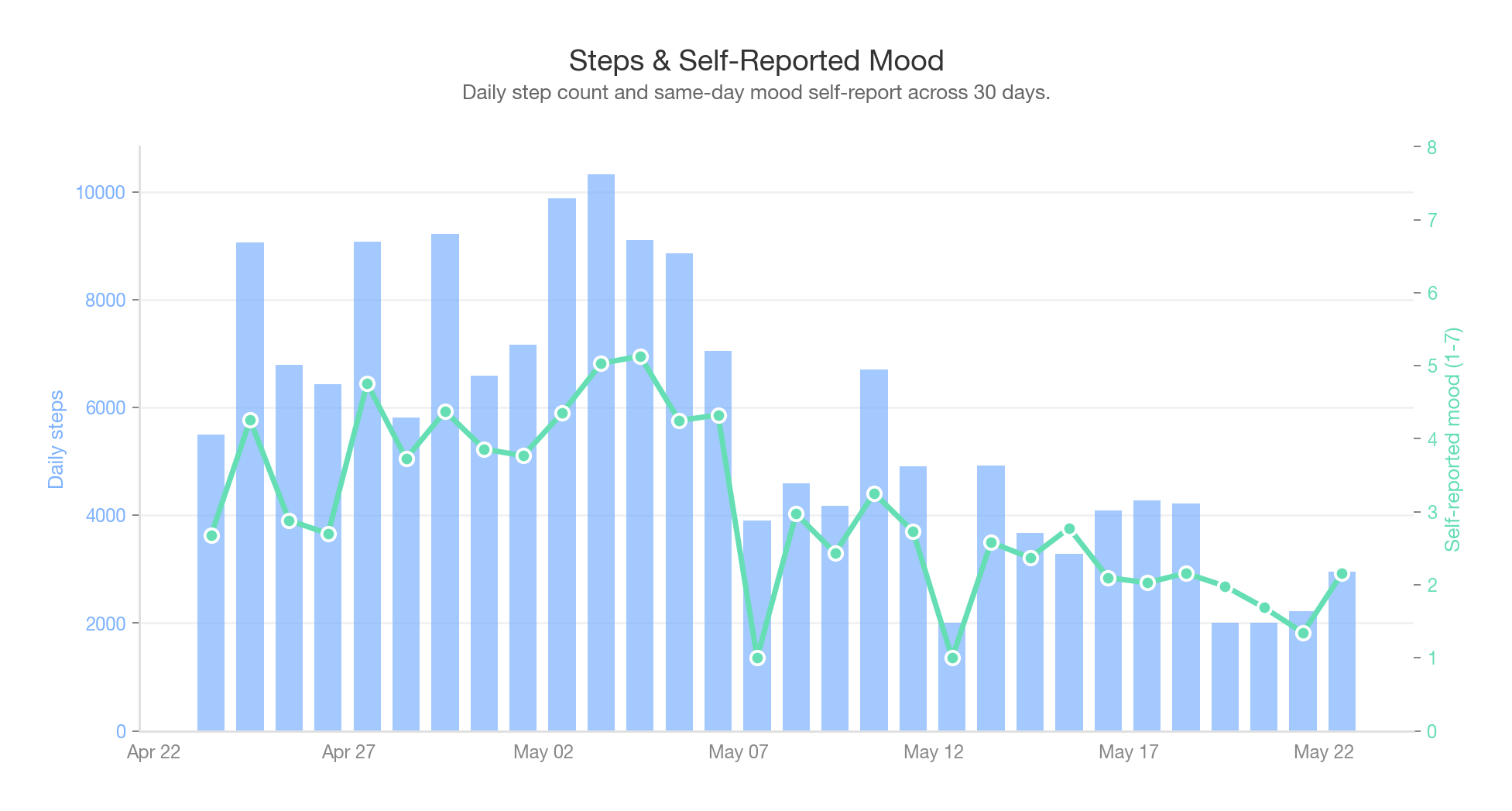
Reduced step count is a documented behavioral signal of major depressive episodes, depressive relapse, and post-discharge clinical deterioration. mindLAMP studies use step count as a baseline characterization, as an outcome measure for behavioral activation therapy, and as a near-real-time signal for symptom worsening between scheduled assessments.
Speed
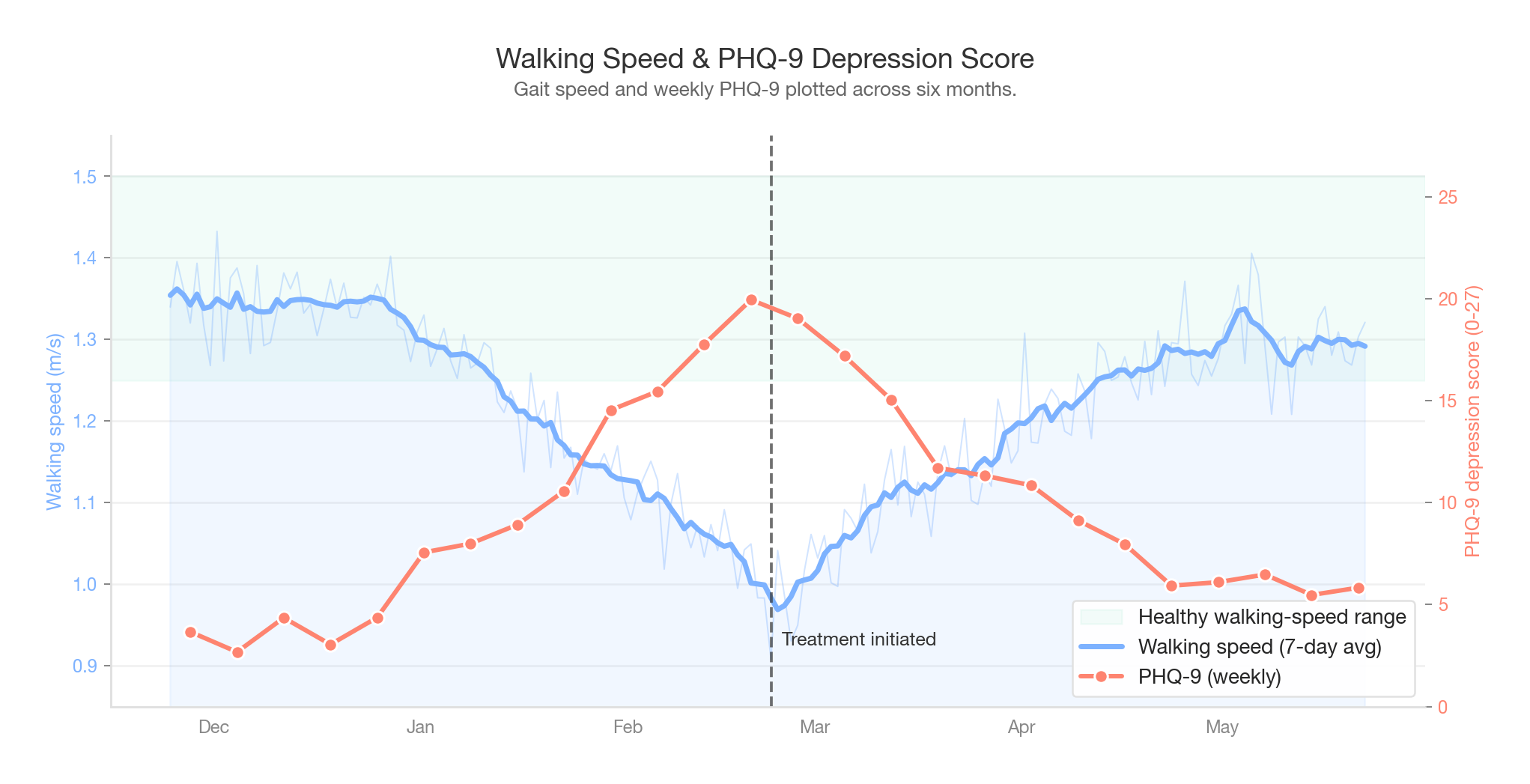
Walking speed is a documented correlate of depression symptom severity, a predictor of functional decline, and a marker of progress in dementia-related illnesses. Speed data is also necessary to distinguish active walking from passive transit (e.g., riding in a vehicle) so that physical-activity exposure can be correctly categorized.
Respiratory rate
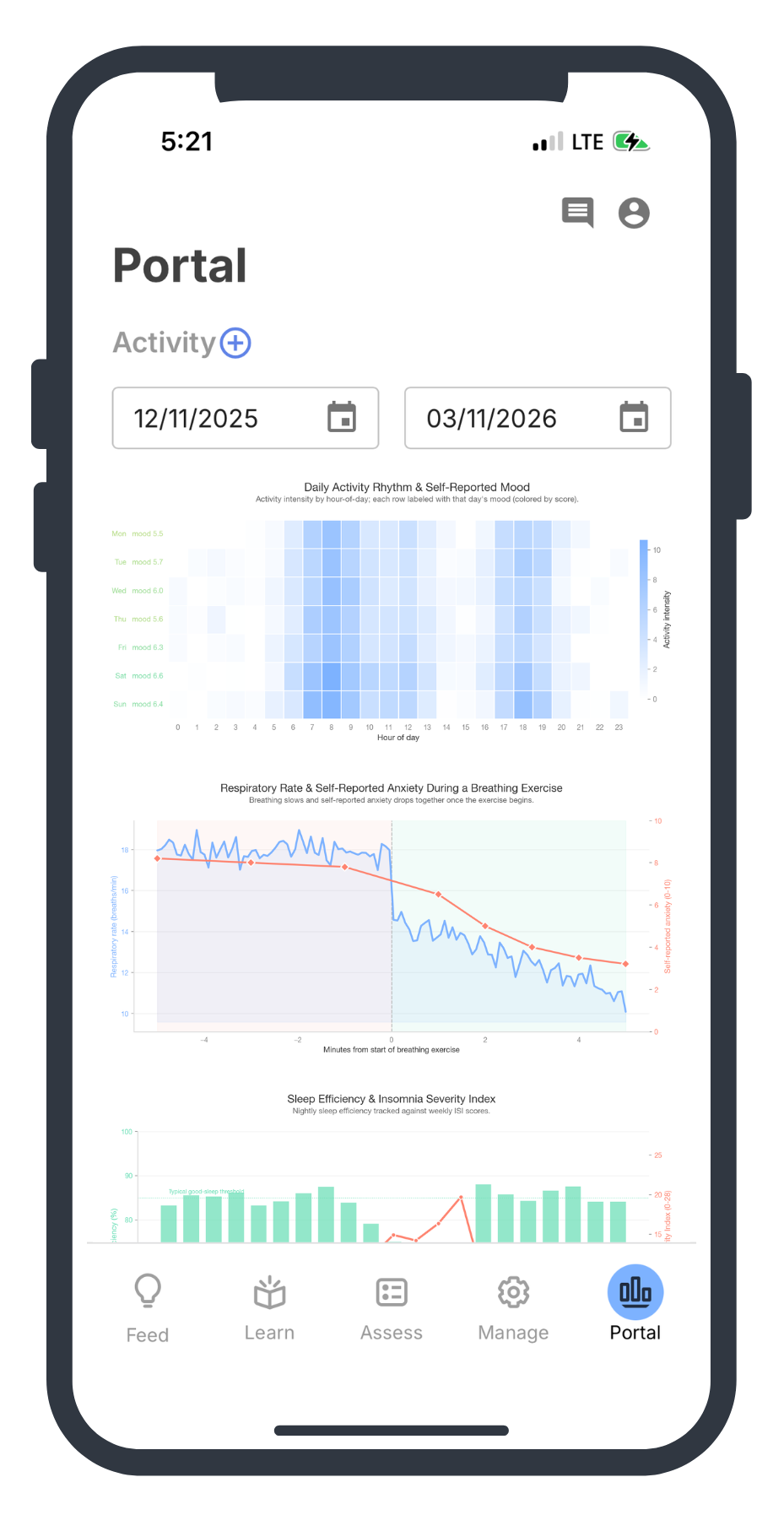
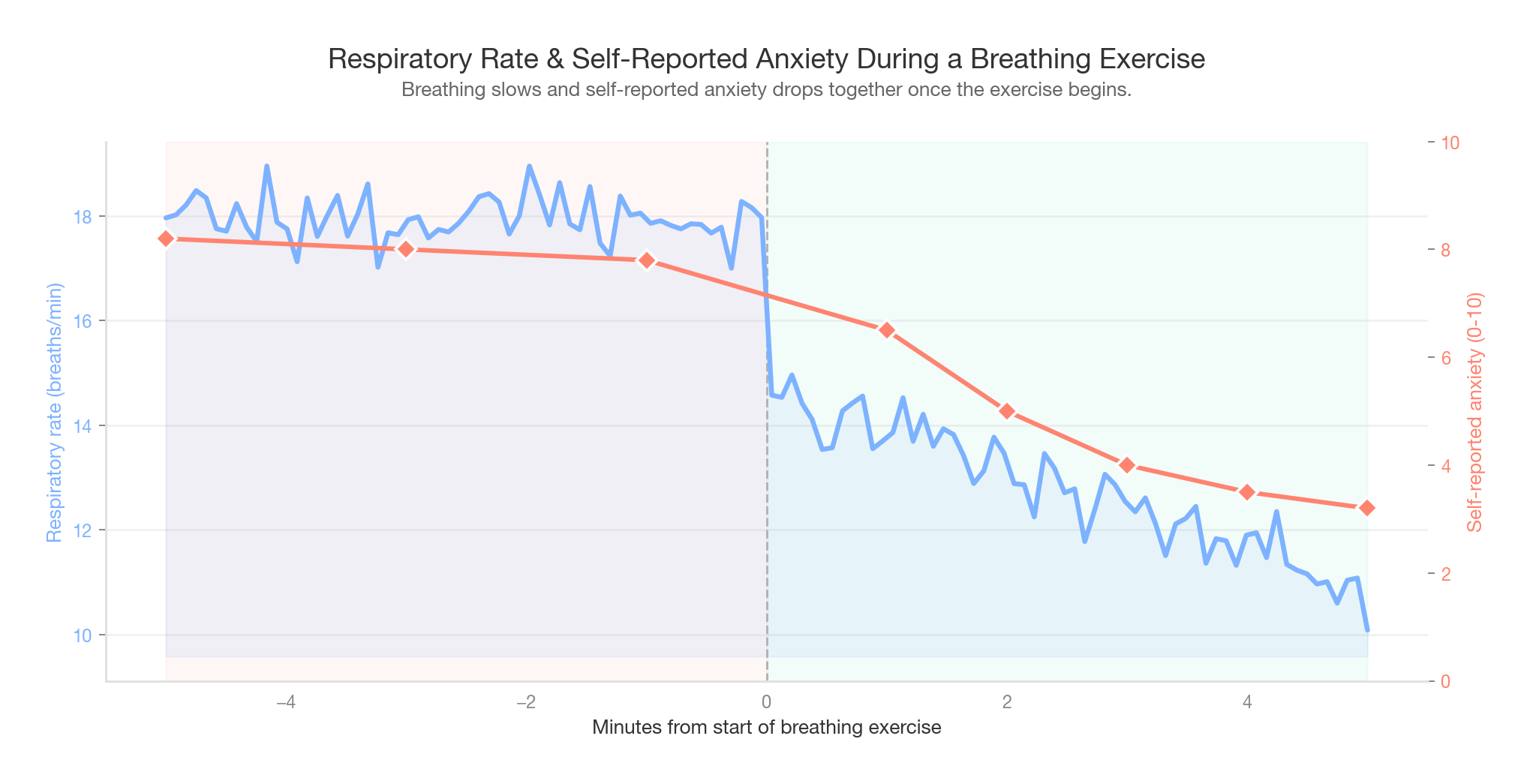
Elevated and variable respiratory rate is a physiological signal of arousal and anxiety, documented especially in panic disorder/panic attacks, generalized anxiety, and acute stress responses. Respiratory rate variability during sleep is also analyzed as a marker of sleep-disordered breathing, which is highly comorbid with depression. Combined with heart rate variability, respiratory data supports an integrated characterization of autonomic function that heart rate alone cannot provide.
Body Measurement
Basal metabolic rate
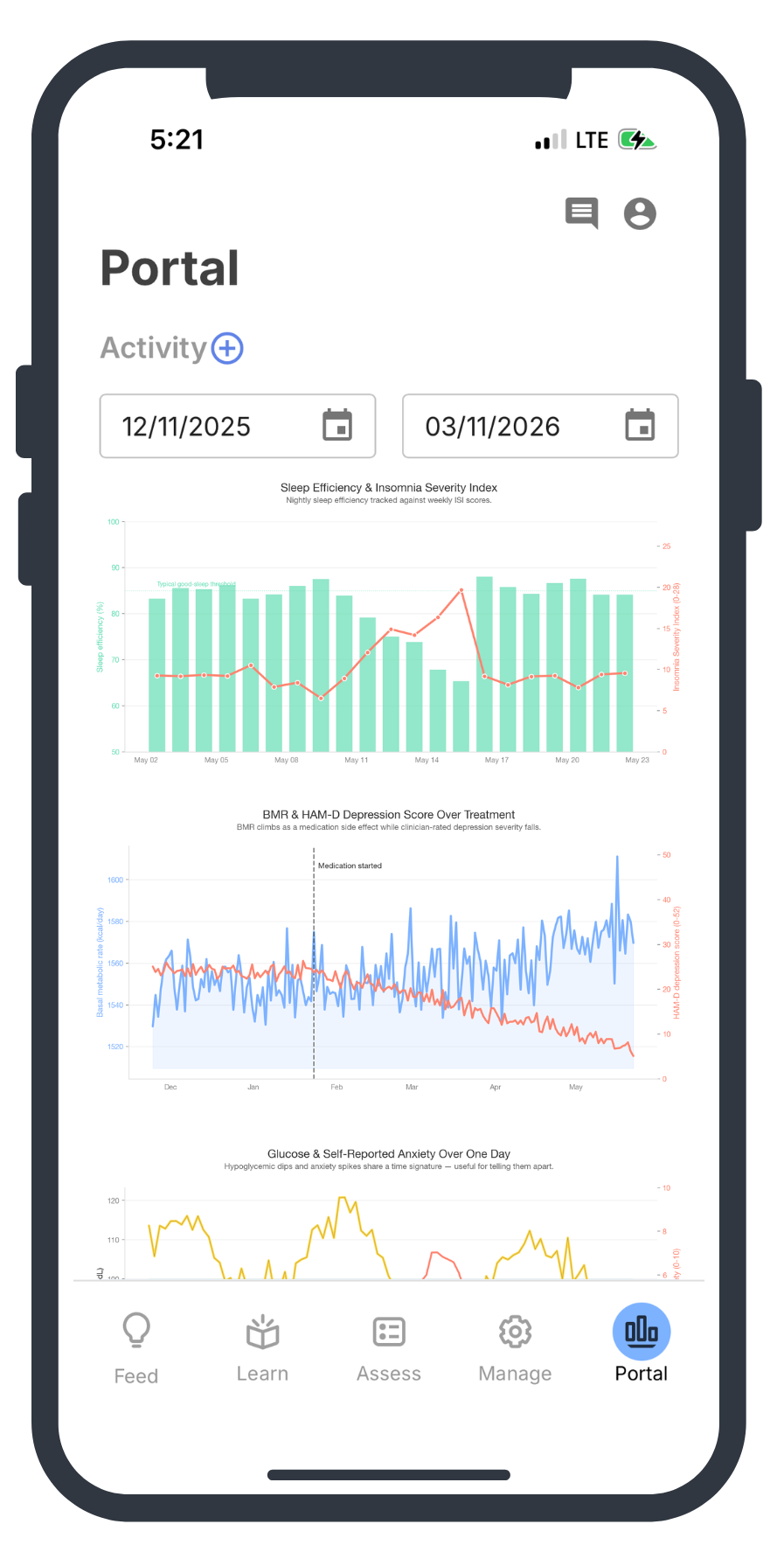
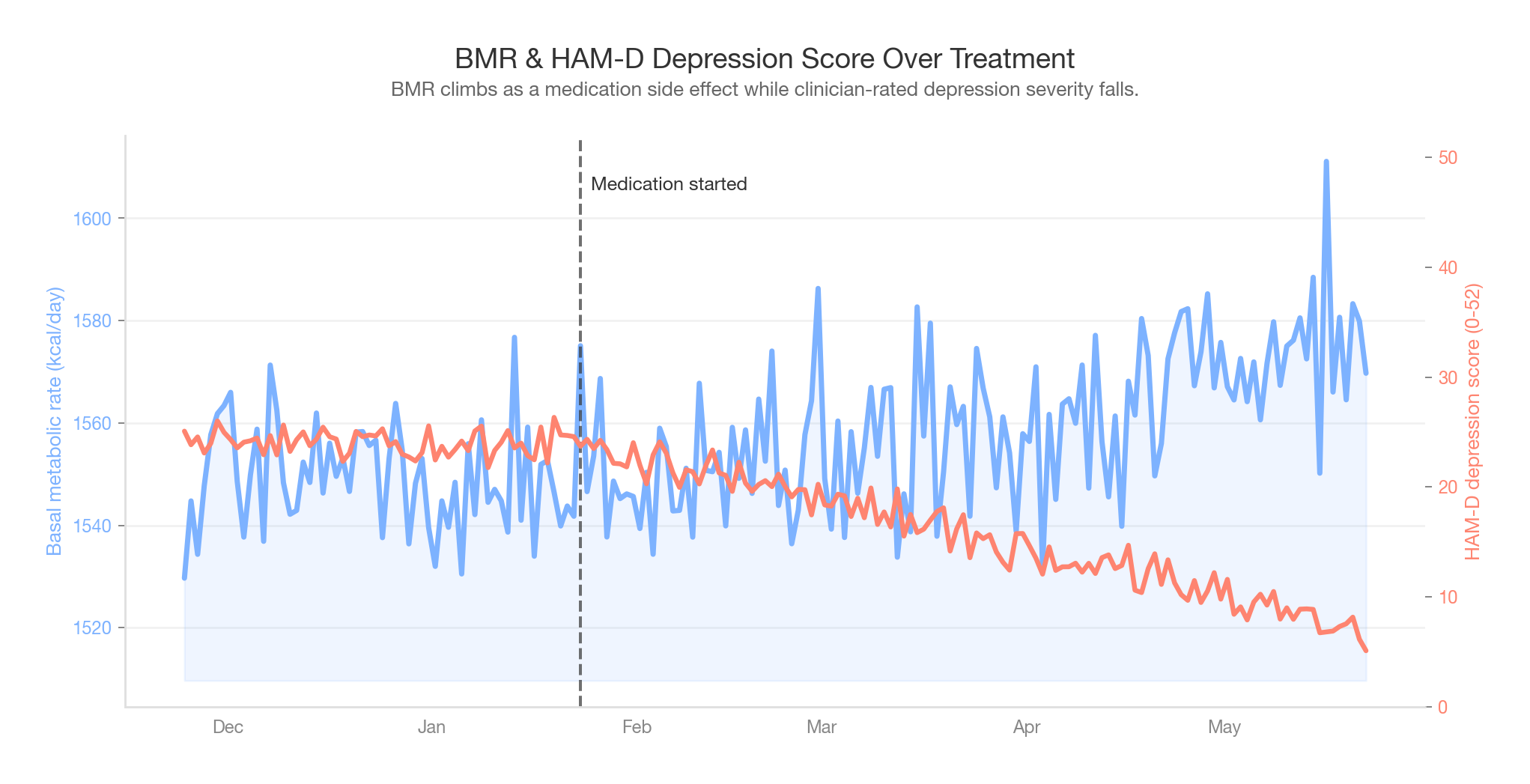
Depression and severe mental illness are associated with elevated risk of metabolic syndrome, and many psychiatric medications — particularly second-generation antipsychotics — cause significant metabolic side effects including changes in resting metabolism. mindLAMP studies use BMR data to characterize metabolic baselines, monitor medication-induced metabolic changes, and investigate the bidirectional relationship between metabolic dysfunction and mood disorders.
Body fat
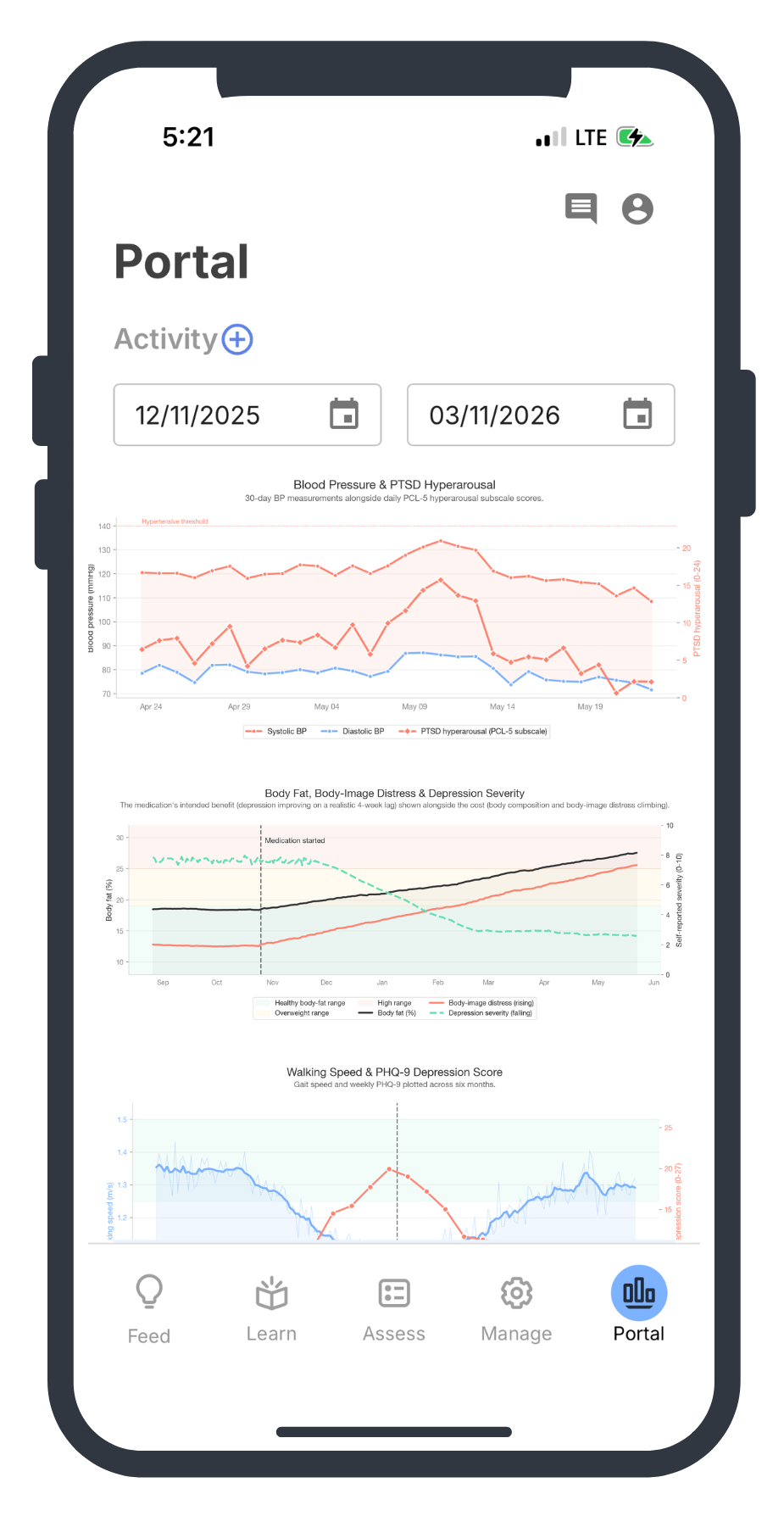
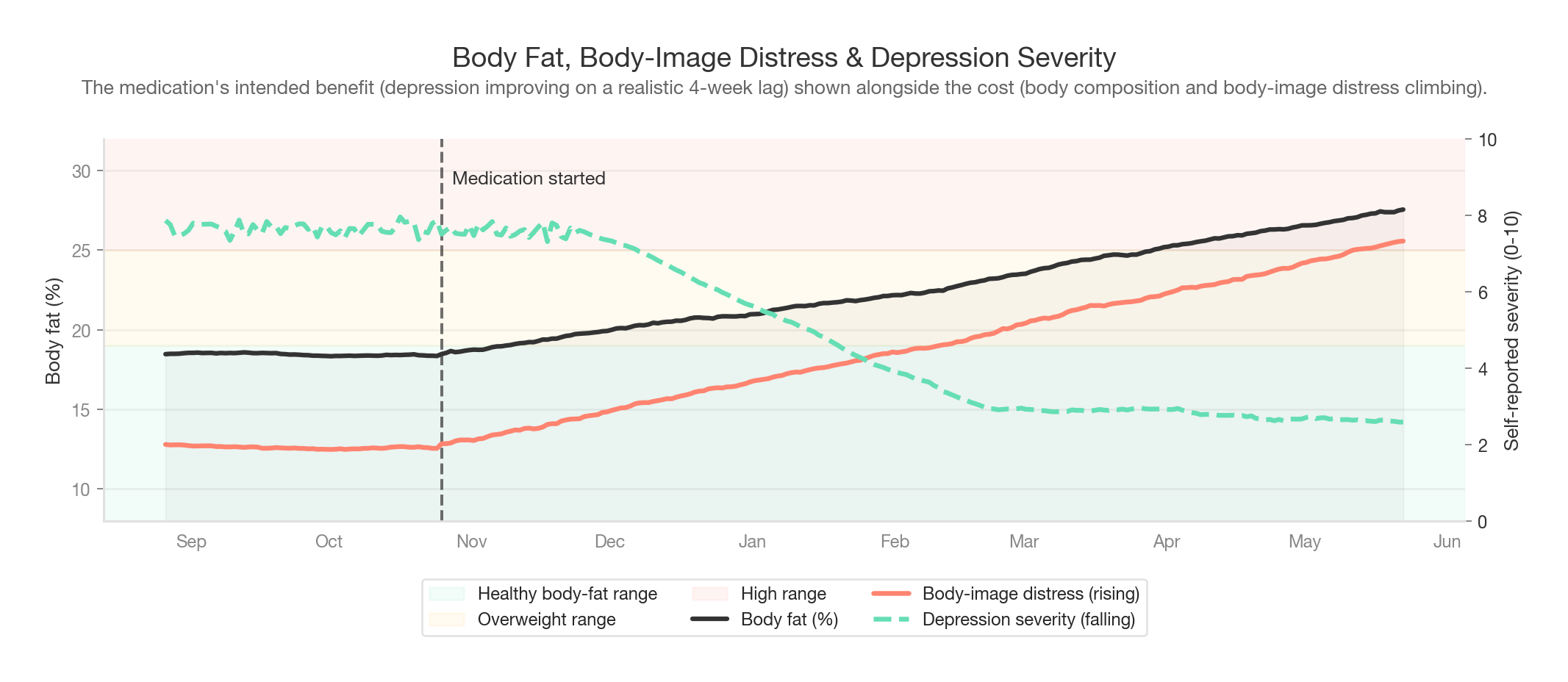
Body composition changes are observed in mood disorders, eating disorders, and as side effects of psychiatric medications. mindLAMP studies use body fat data to characterize the metabolic impact of psychiatric interventions, to study eating disorders where body composition is a clinical outcome, and to support coordinated care for participants with comorbid metabolic and psychiatric conditions.
The view below pairs body fat with two complementary mental-health signals — body-image distress (the cost) and depression severity (the medication's intended benefit) — so participants can see the tradeoff their treatment involves:
Nutrition
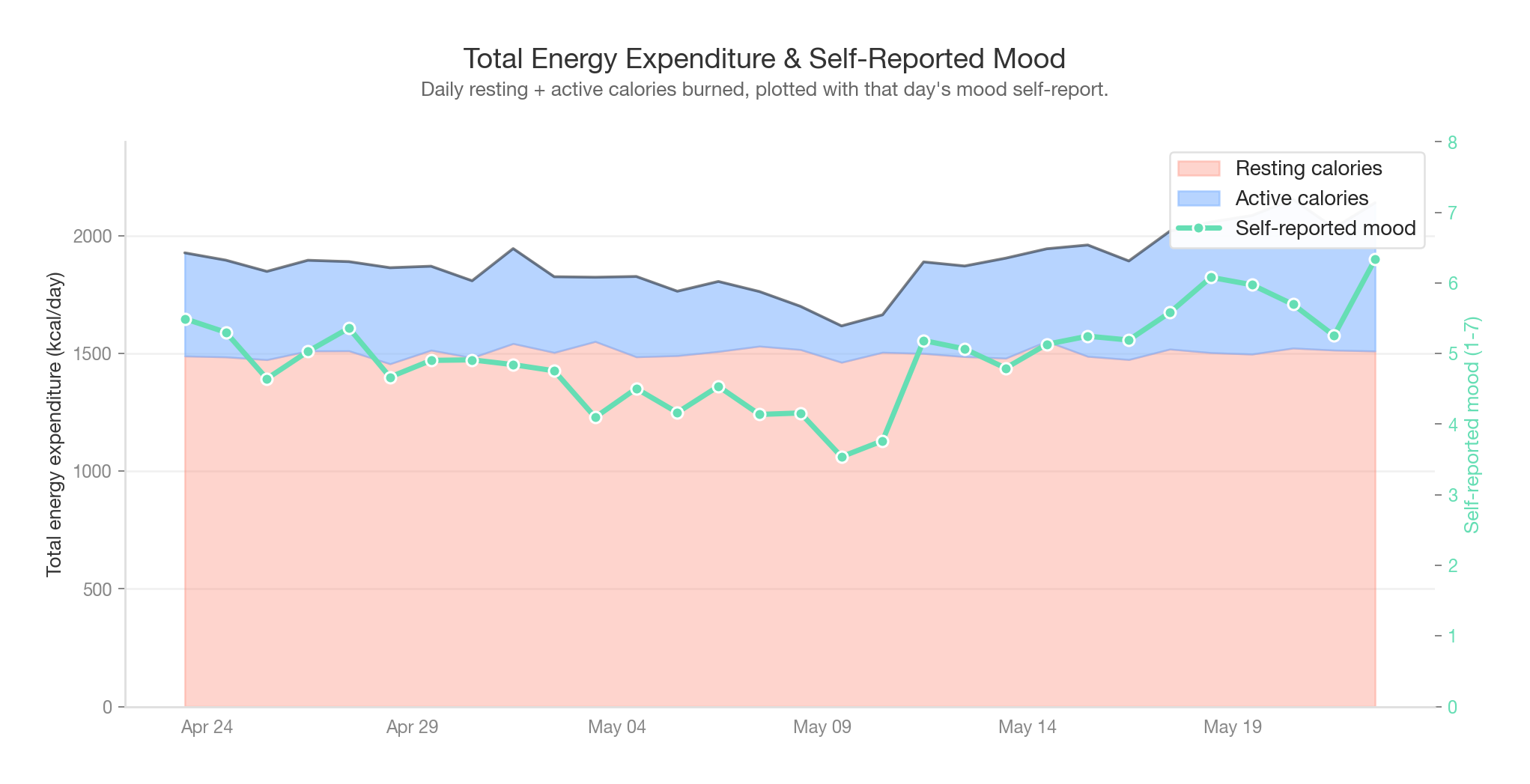
Total calories burned
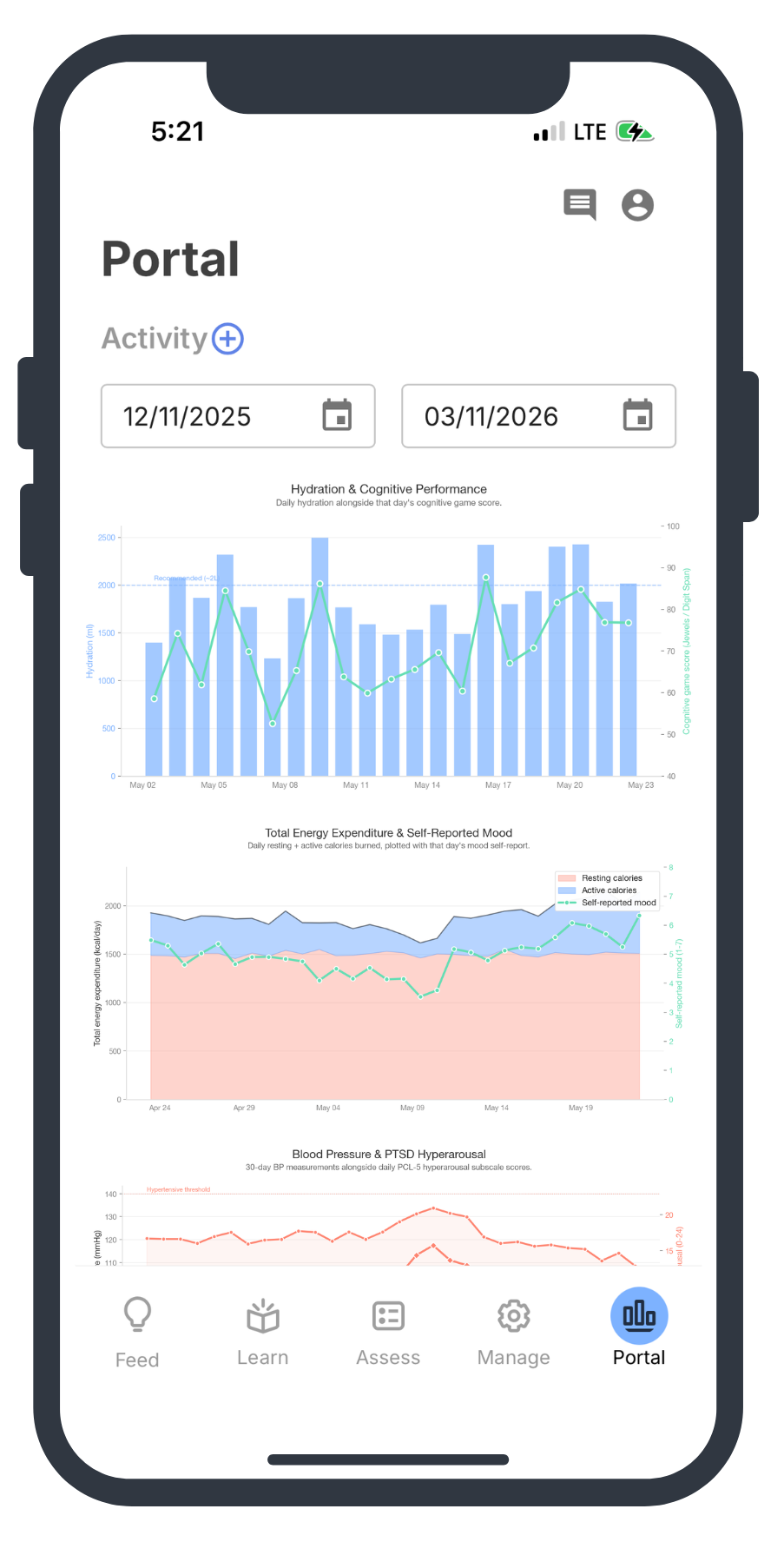
Caloric expenditure integrates activity intensity across the day in a way step count cannot. High-intensity exercise produces high caloric expenditure relative to step count, while sustained low-intensity activity contributes to calories burned without affecting step count. There is good evidence that intense activity may have more of an antidepressant effect than low-intensity activity alone.
Hydration
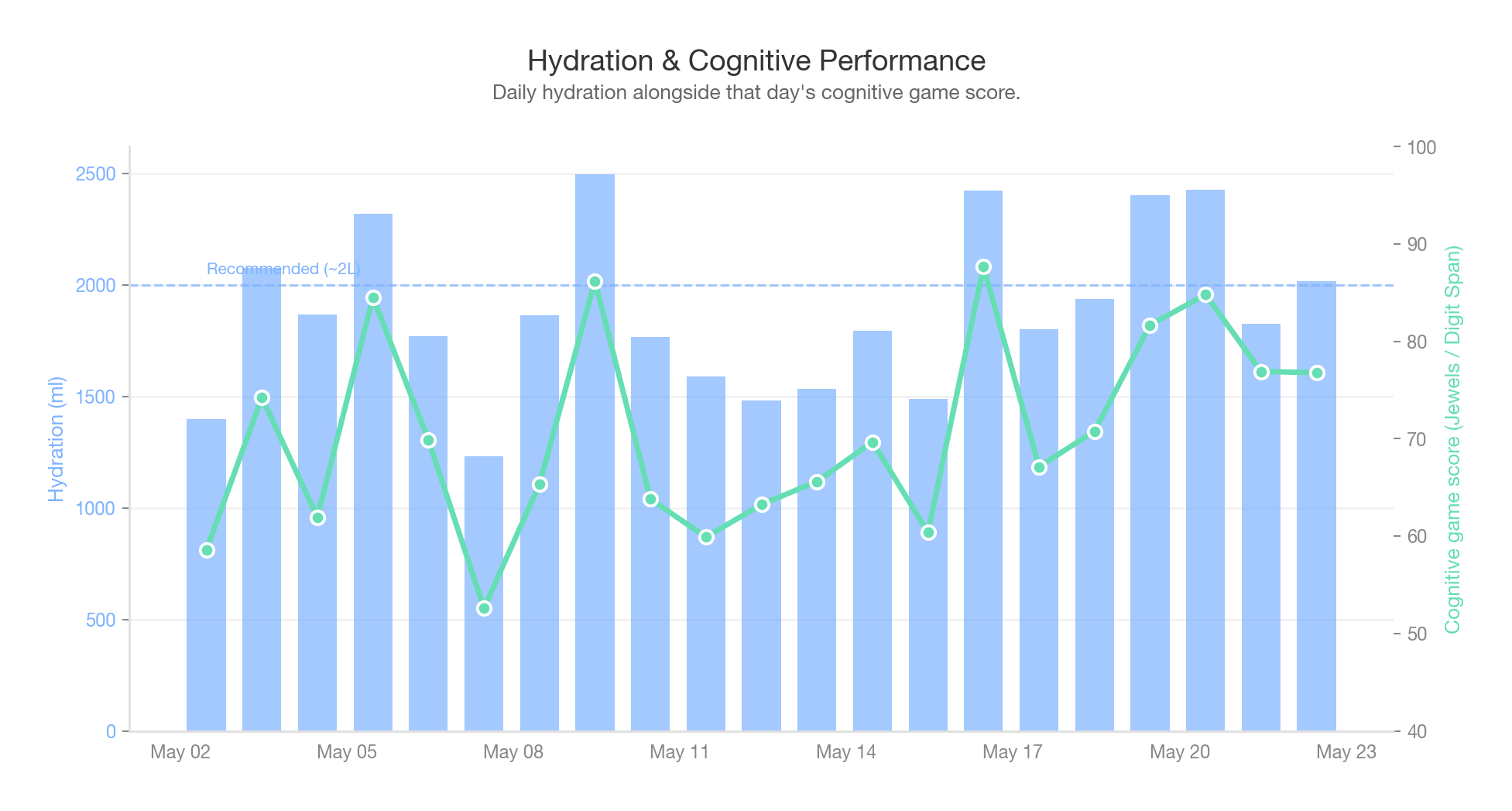
Hydration status influences cognitive function, headache occurrence, and mood, and is studied as a somatic correlate of mood and anxiety disorders. mindLAMP studies use hydration data specifically in eating-disorder research, in psychogenic polydipsia, and in trials of psychiatric medications with known thirst- or fluid-related side effects (e.g., lithium).
Nutrition
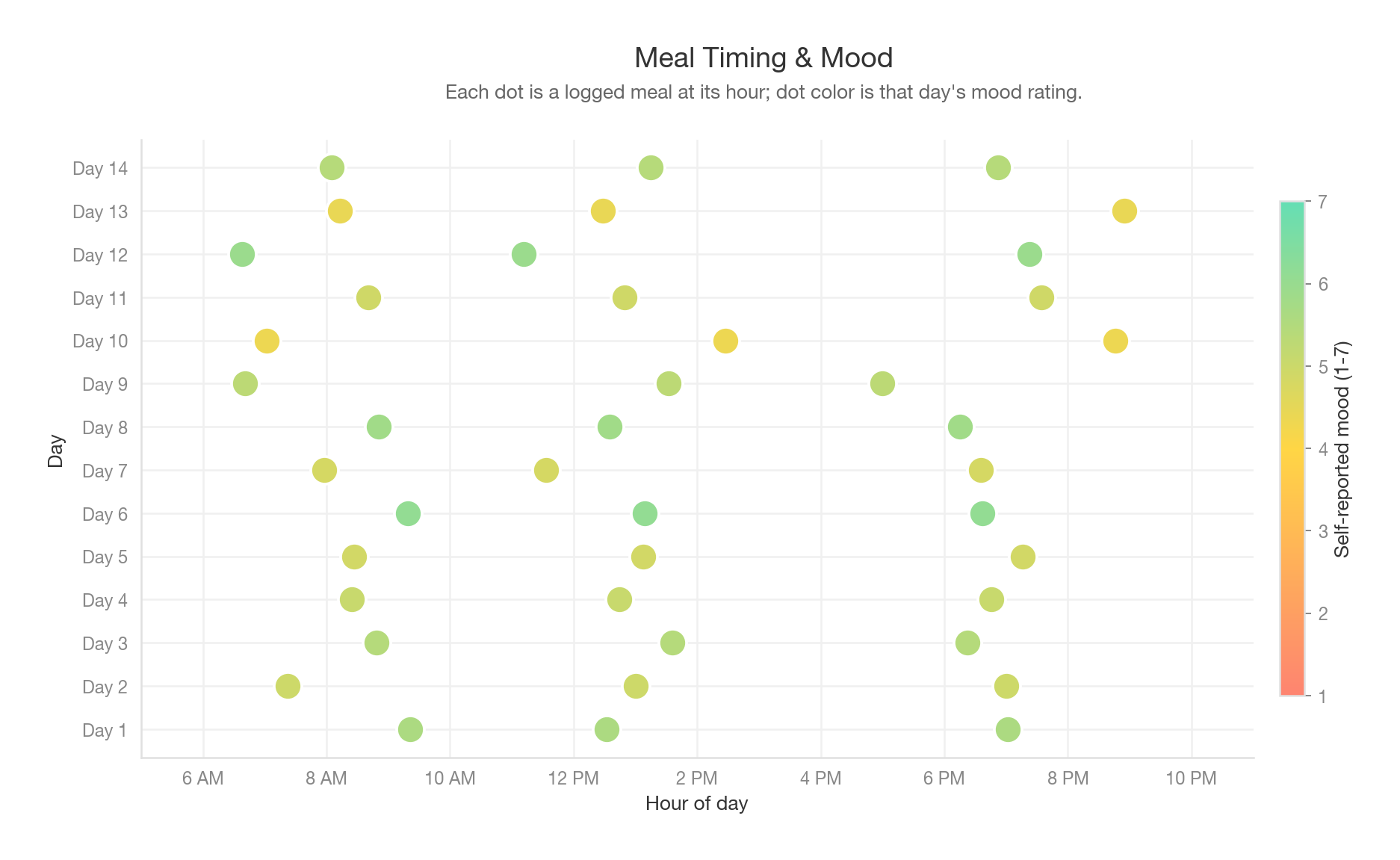
Nutritional psychiatry is an established research domain: dietary patterns are documented correlates of depression and anxiety severity and treatment response. mindLAMP studies collect dietary intake as a predictor of mood outcomes, as a target of behavioral intervention (e.g., dietary counseling integrated with cognitive behavioral therapy), and in populations with comorbid eating disorders or metabolic conditions where diet is a clinical management target.
Sleep
Sleep
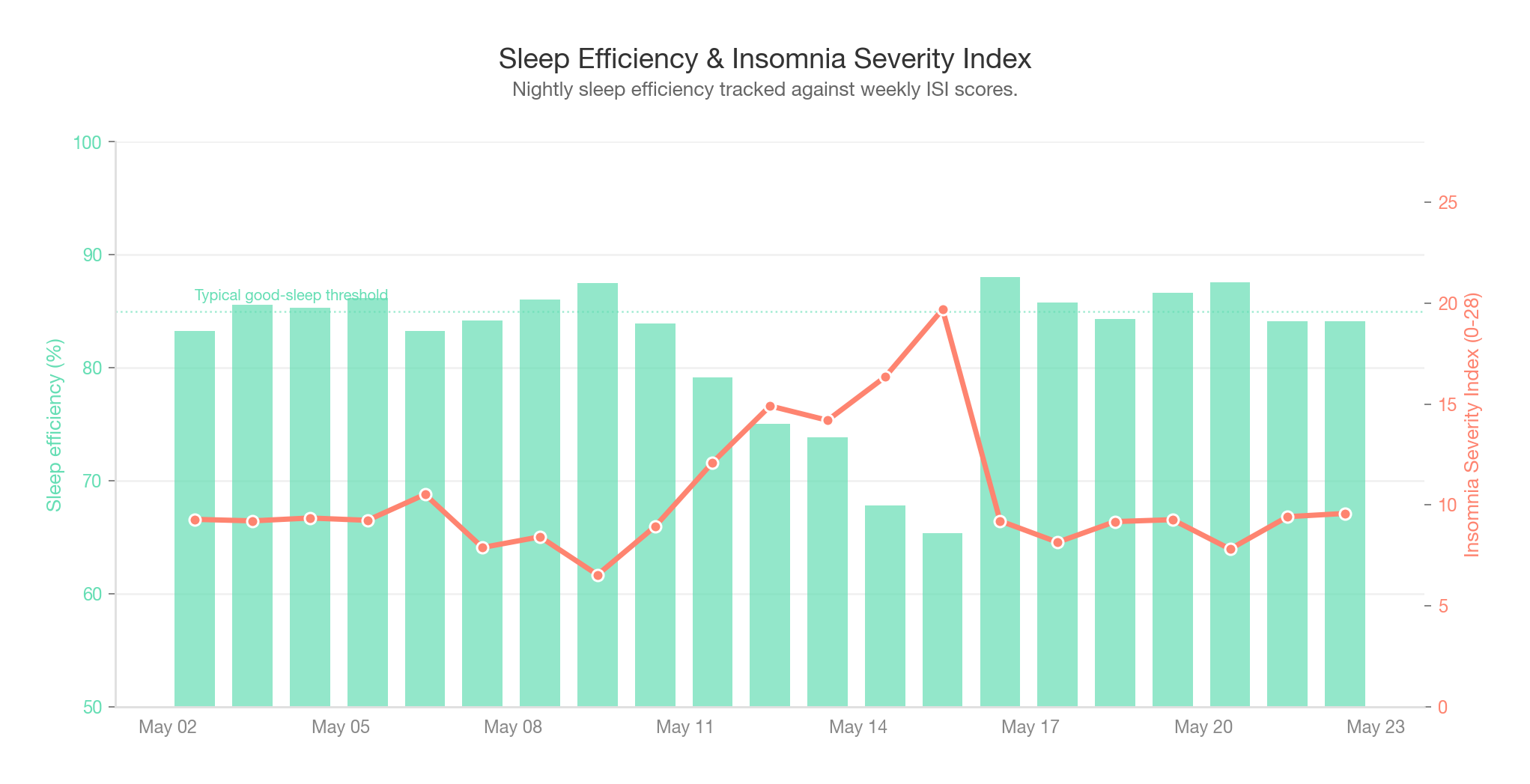
Sleep disturbance is one of the most well-established correlates of psychiatric symptoms — present in nearly every mood, anxiety, and psychotic disorder. mindLAMP studies use sleep architecture (REM/NREM staging, total sleep time, sleep efficiency, awakenings) as a primary outcome measure, a real-time signal for symptom worsening, and a foundational variable in research on circadian disruption, treatment response, and prodromal symptom detection.
Vitals
Blood glucose
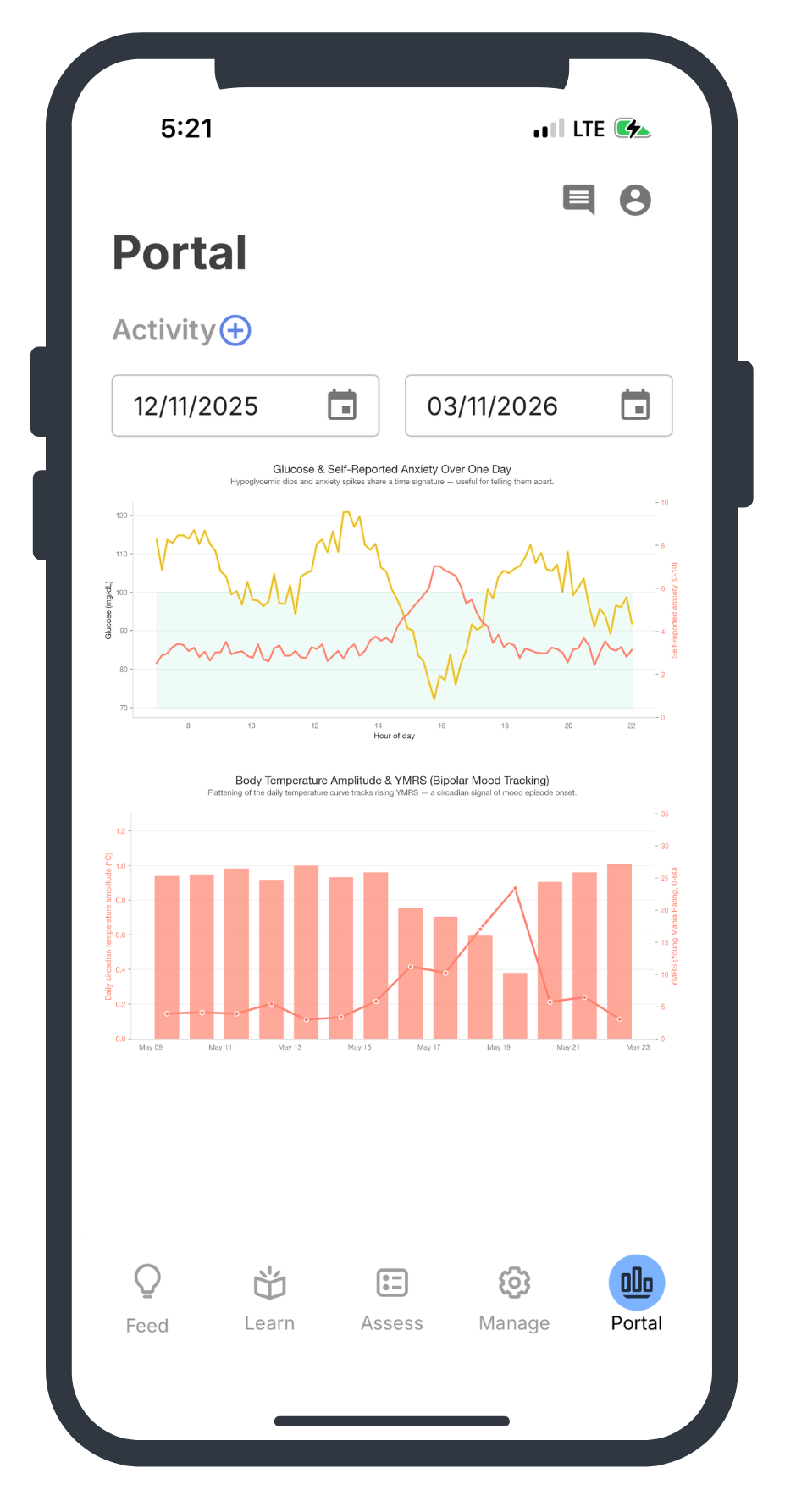
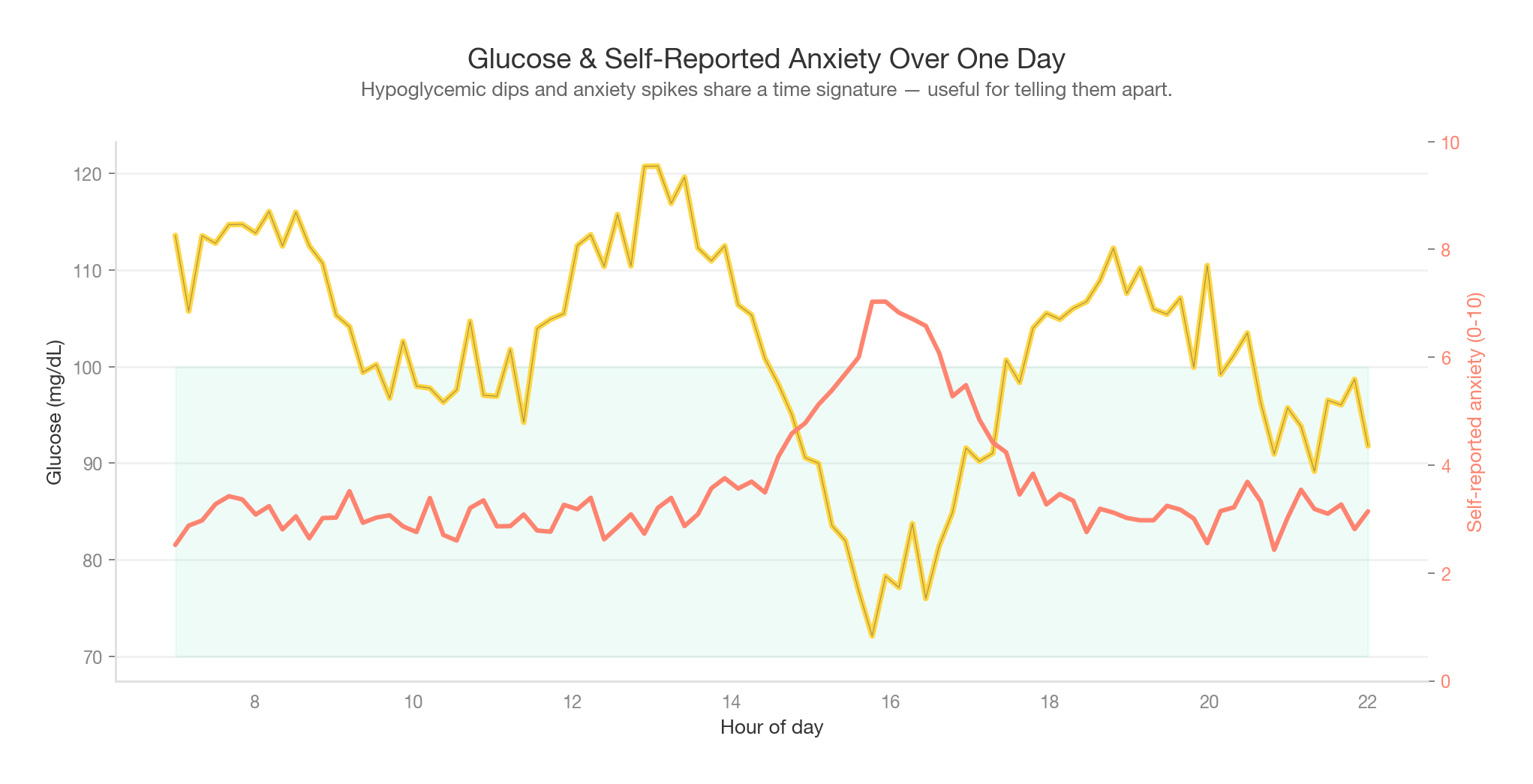
Glucose dysregulation is strongly comorbid with major depression — depression doubles the risk of developing type 2 diabetes, and diabetes increases depression risk reciprocally. mindLAMP studies investigate the bidirectional relationship between glycemic variability and mood, particularly in participants with comorbid diabetes and psychiatric conditions, and support safety monitoring in trials of psychiatric medications with metabolic side effects.
Blood pressure
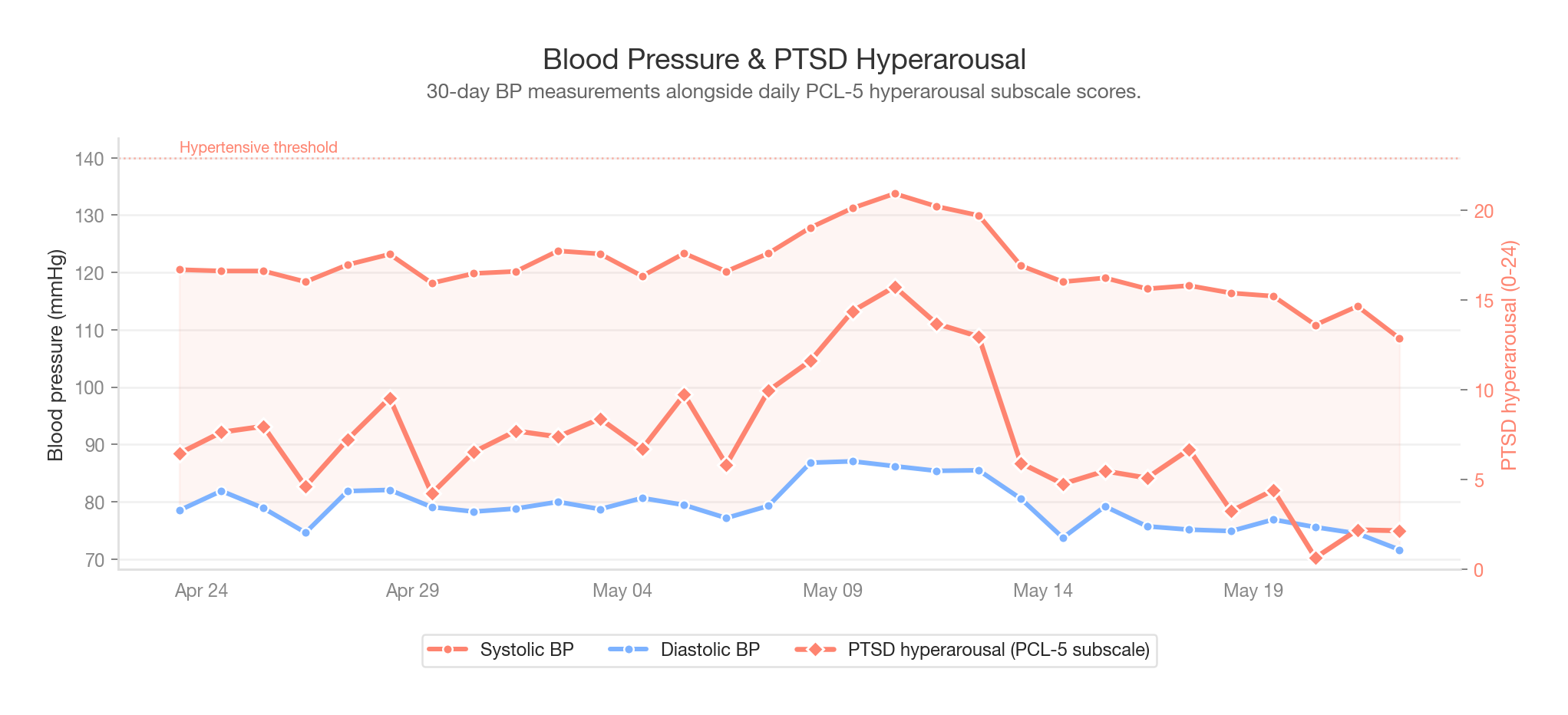
Blood pressure variability is studied as a marker of stress reactivity in anxiety disorders, panic disorder, and PTSD. mindLAMP studies also use blood pressure for safety monitoring in trials of psychiatric medications known to affect blood pressure, and to support research in participants with cardiovascular comorbidity where coordinated psychiatric and cardiovascular care is the standard of treatment.
Body temperature
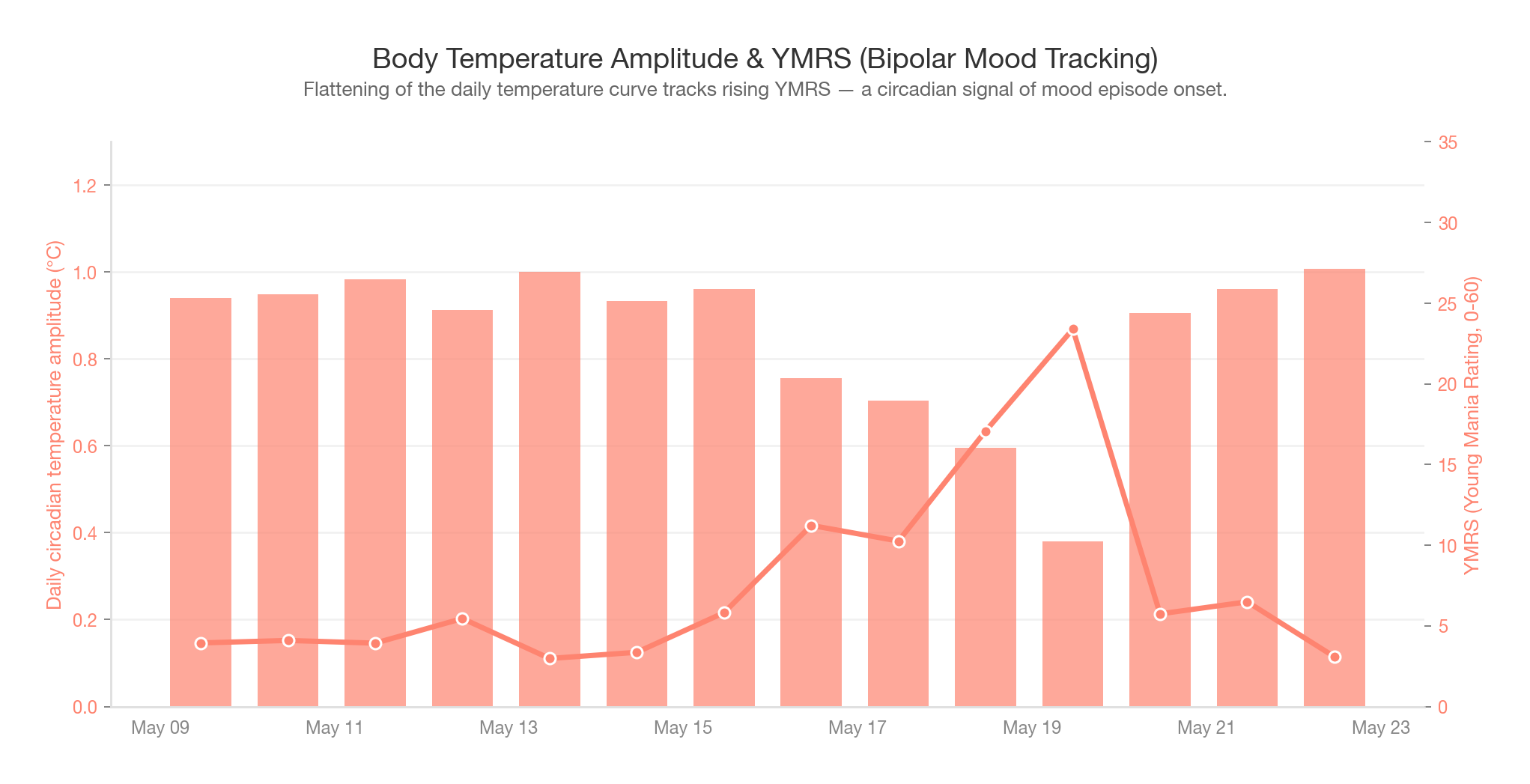
Body temperature regulation is altered in mood disorders — particularly in studies of seasonal affective disorder, circadian phase disturbance in bipolar disorder, and side effects of medications. Temperature combined with sleep timing data supports research on circadian phase shifts that precede mood episode onset, and is used in studies of menstrual cycle effects on psychiatric symptoms (premenstrual dysphoric disorder, perimenopausal depression).
Heart rate
Heart rate variability (HRV) is a validated biomarker of autonomic nervous system function and a documented correlate of stress reactivity, emotion regulation, and depressive symptom severity. mindLAMP studies collect heart rate as a baseline characterization and as an outcome measure in protocols investigating anxiety disorders, PTSD, and pharmacological treatment response.
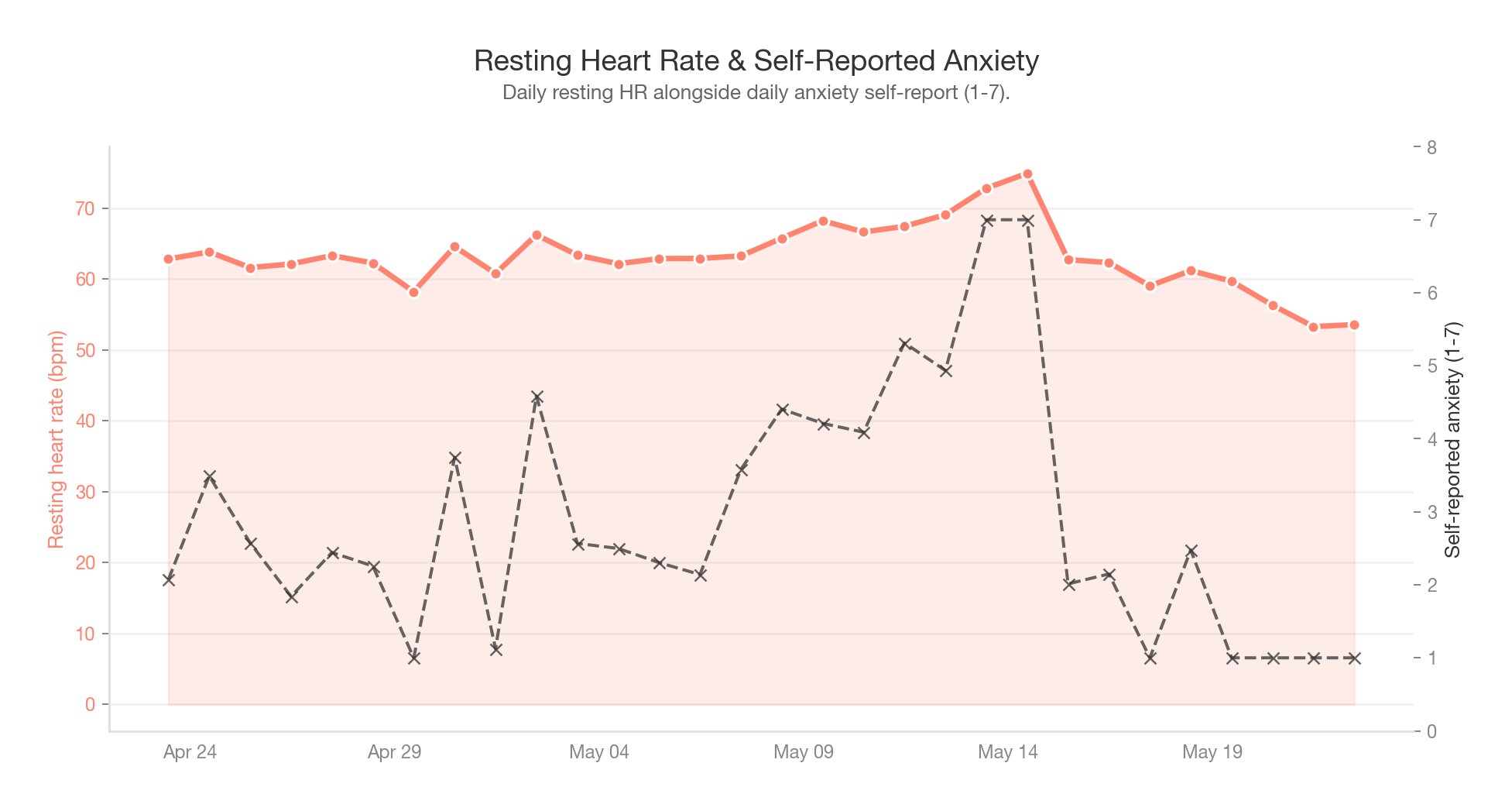
The legacy BODY_SENSORS Android permission is also used to access heart-rate data from paired wearables on Android versions and device configurations where the same signals are not yet surfaced via Health Connect. The participant-facing visualization is the same; only the source of the data differs.
Oxygen saturation
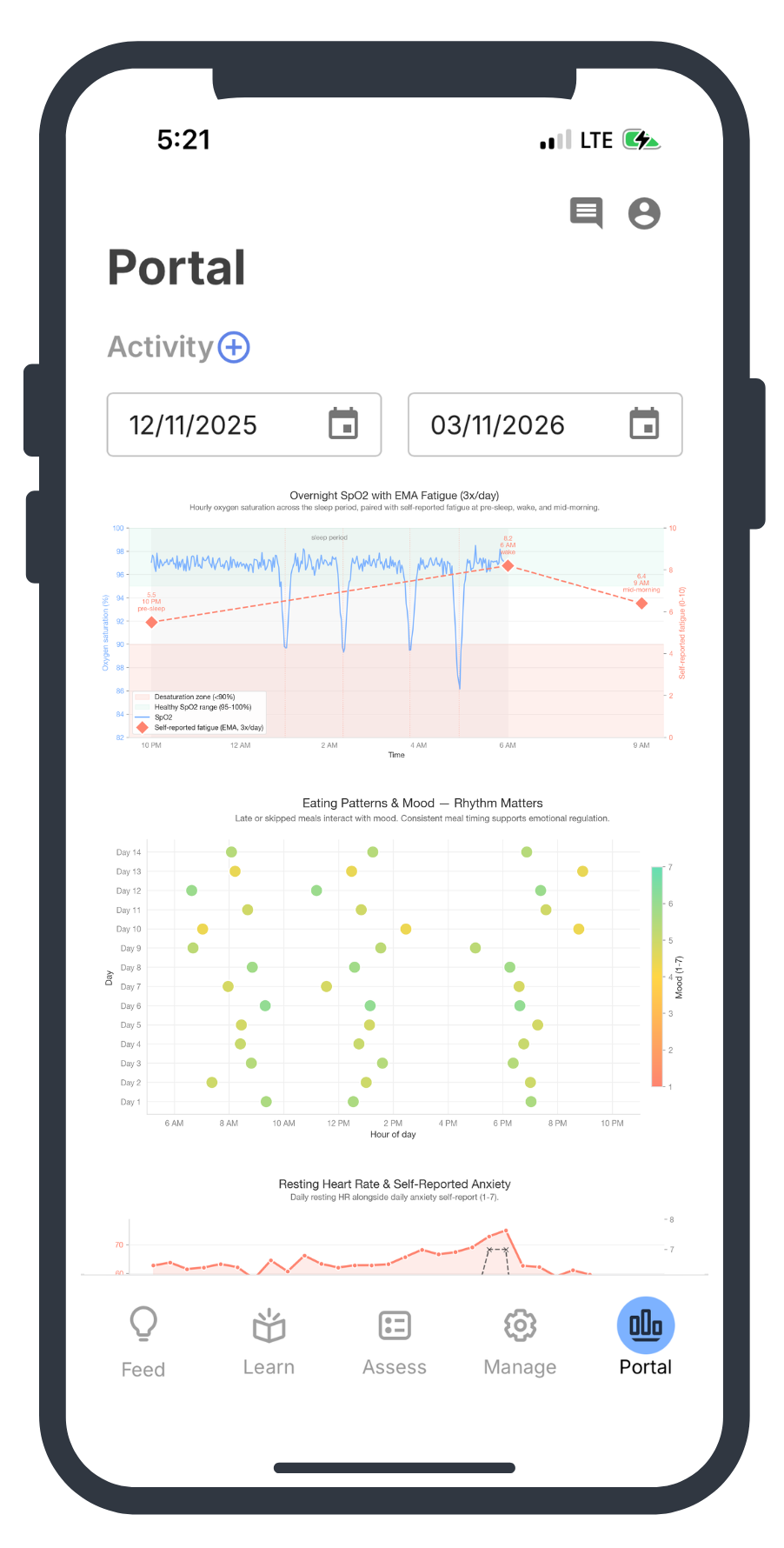
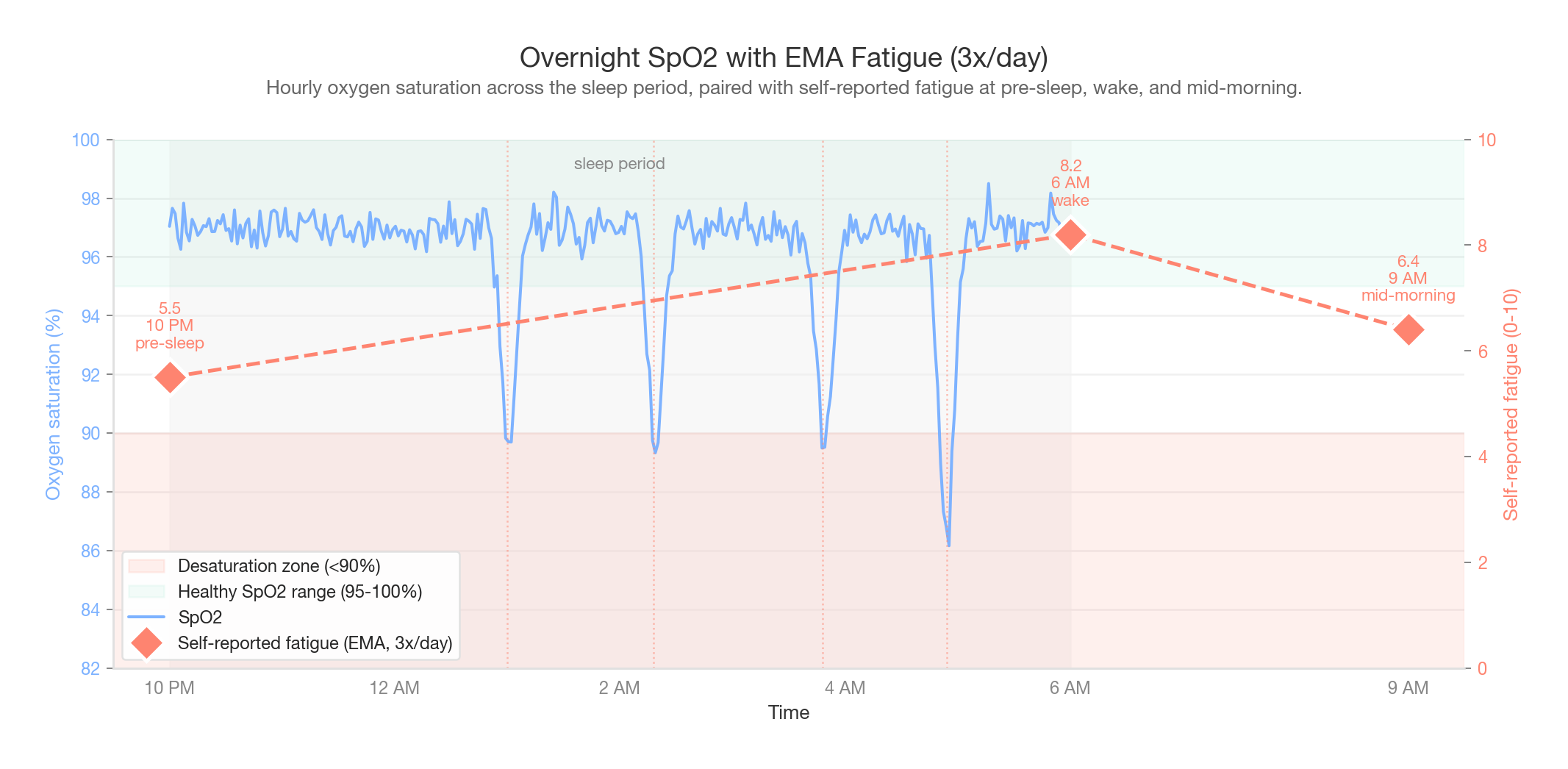
SpO2 is monitored during sleep as a marker of sleep-disordered breathing, which is highly comorbid with depression. mindLAMP studies also use SpO2 to characterize cardiopulmonary function in participants with comorbid psychiatric and respiratory conditions, and to investigate the cognitive and mood effects of nocturnal hypoxic events in older adults with neuropsychiatric symptoms.
In-app context: the Passive Sensor Portal
The visualizations above appear inside the mindLAMP app on the Passive Sensor Portal — a single scrollable view that aggregates a participant's enabled data types. Below are eight progressive scroll positions showing how the visualizations stack together in the actual app surface.